Monthly Archives: May 2016

The Last Full Measure

Kenneth T. Jackson writes:

Decoration Day, later designated Memorial Day, began on May 5, 1866, when the small town of Waterloo in Seneca County, New York, organized an entire day of remembrance for its lost sons [of the Civil War]. The idea caught on, and exactly two years later, on May 5, 1868, Major General John A. Logan, commander in chief of the Grand Army of the Republic, the organization of Union Army veterans, issued General Order No. 11, designating May 30, 1868, “for the purpose of strewing with flowers or otherwise decorating the graves of comrades who died in defense of their country.” Logan added that he inaugurated the observance “with the hope that it will be kept up from year to year, while a survivor of the war remains to honor the memory of his departed comrades.”

By 1890, all of the Northern states recognized May 30 as a special day to remember their fallen heroes…After World War I, however, virtually the entire United States accepted Memorial Day (later designated as the last Monday in May) as the primary occasion to remember all those who had died in battle.

“…for which they gave the last full measure of devotion; that we here highly resolve that these dead shall not have died in vain; that this nation, under God, shall have a new birth of freedom, and that government of the people, by the people, for the people shall not perish from the earth.” – Abraham Lincoln, Gettysburg, Pennsylvania, 1863

Categories: Uncategorized | Leave a comment

Writing and Launching Your Book

Need some book and writing related activities over the long weekend? Try these from author Jaimie Engle who has been busy this year:

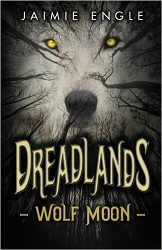
She published the fantasy novel Dreadlands which I reviewed here. You can watch Jaimie discuss How to Launch Your Book where she explains the techniques she used to launch Dreadlands — what worked and what did not.

If that were not enough, she has also released Writing Your Novel: Using the Bible as Your Guide. This how-to takes cues from history’s most read book — and all the drama within — to show how your story can be dramatic, gripping and memorable.

And what writer doesn’t want that?

Categories: Bible, Books, Uncategorized, Writing | Tags: , , | 1 Comment

Writing Dangerously

Around the web today, Morgan L. Busse writes about “writing dangerously,” knowing that this means she is “not going to make everyone happy.” Mike Duran tells writers that it is good to know when to ignore writing advice and stay true to your story. And finally, Robert Bidinotto discusses the challenges of writing gripping fiction.

Categories: Writing | Tags: , , | Leave a comment

Daring to Enter the Dreadlands

There are many fantasy stories that try too hard, or don’t try at all, in their storytelling. The best, as I wrote a few months ago, are reflective of the longings — both realized and not — inside us. Jaimie Engle‘s new Dreadlands is one of these stories.

Set in a lost Viking land in North America (you would know why this caught my attention quickly if you read this), we find Arud Bergson very quickly finding his world thrown into disarray. Shape-shifting ferine have begun attacking where none should be. His father is long overdue from a journey East and now his mother wants to send him off to a distant uncle with little explanation.

Leave. Take your sister Lykke. You must go now.

With this begins a journey where these young people learn who they are and about the world that they were shielded from. A classic coming of age tale, but also an engaging one (any book I read in one sitting certainly deserves some notice). Reminiscent of the detail, character development and the pacing of the Shannara stories — with a Middle Earth style epic battle to top it all off. A comparison of the story has been made to Twilight and this is unfair.

Dreadlands is better.

Admittedly, I haven’t read the Twilight books and my analysis is based on the films that focus on stretching out longing looks and angst between the leads at the expense of everything else. Jaimie’s approach to the history of the conflict between hybrids and humans, the creatures themselves, and planting the seeds of a romance is more mature and balanced. This is a fusion of epic and dark fantasy: Shannarra meets Underworld.

This genre is crowded, but put Dreadlands at the top of your list. The only disappointment you will encounter is finding out that part two has yet to be released.

Categories: Books, Fiction | Tags: , , | 1 Comment

401 A.D.: The Year Literature Changed

Thomas Cahill, the author of How the Irish Saved Civilization, called Augustine of Hippo “almost the last great classical man — and very nearly the first medieval man.” Augustine wrote in Confessions:

I carried inside me a cut and bleeding soul, and how to get rid of it I just didn’t know. I sought every pleasure — the countryside, sports, fooling around, the peace of a garden, friends and good company, sex, reading. My soul floundered in the void — and came back upon me. For where could my heart flee from heart? Where could I escape from myself?

Cahill responds to this:

No one had every talked this way before…we realize that with Augustine human consciousness takes a quantum leap forward — and becomes self-consciousness…From this point on, true autobiography becomes possible, and so does its near relative, subjective and autobiographical fiction. Fiction had always been there…But now for the first time there glimmers the possibility of psychological fiction: the subjective story, the story of the soul…[Augustine] is the father of not only of autobiography but of the modern novel.

In Augustine’s words we find someone searching for his true purpose and — shortly before the fall of the classical age — published his 13 part classical work Confessions in 401 A.D. Yet it often sounds like it was written yesterday.

We are no better or worse than those who walked before us centuries ago. Our troubles are rarely unique to us. Those ancient voices left us plenty to ponder, to learn from and to be warned by.

Perhaps we should take the time to listen?

Categories: Books, History, Writing | Tags: , , | Leave a comment

Blog at WordPress.com.